



Golden Week; Culture & History of Japan.
Golden Week (ゴールデンウィーク, Gōruden Wīku) is one of Japan’s most anticipated holiday seasons, occurring annually from late April to early May. It’s a unique period when several national holidays are clustered together, resulting in an extended break for many workers and students. Golden Week is not just a time for rest and travel; it’s a window into Japan’s historical milestones, cultural traditions, and the evolving rhythm of modern Japanese life.
When is Golden Week?
Golden Week typically spans April 29 to May 5, but depending on how the holidays fall and if a weekend bridges the gap, it can stretch even longer. The four main public holidays that make up Golden Week are:
- April 29 – Shōwa Day (昭和の日, Shōwa no Hi)
Celebrates the birthday of Emperor Shōwa (Hirohito), who reigned from 1926 to 1989. It’s a time for reflecting on the Shōwa Era and Japan’s history. - May 3 – Constitution Memorial Day (憲法記念日, Kenpō Kinenbi)
Marks the enactment of Japan’s postwar constitution in 1947, emphasizing democracy and peace. - May 4 – Greenery Day (みどりの日, Midori no Hi)
A day to appreciate nature and the environment. Originally celebrated on April 29, it was moved to May 4 in 2007. - May 5 – Children’s Day (こどもの日, Kodomo no Hi)
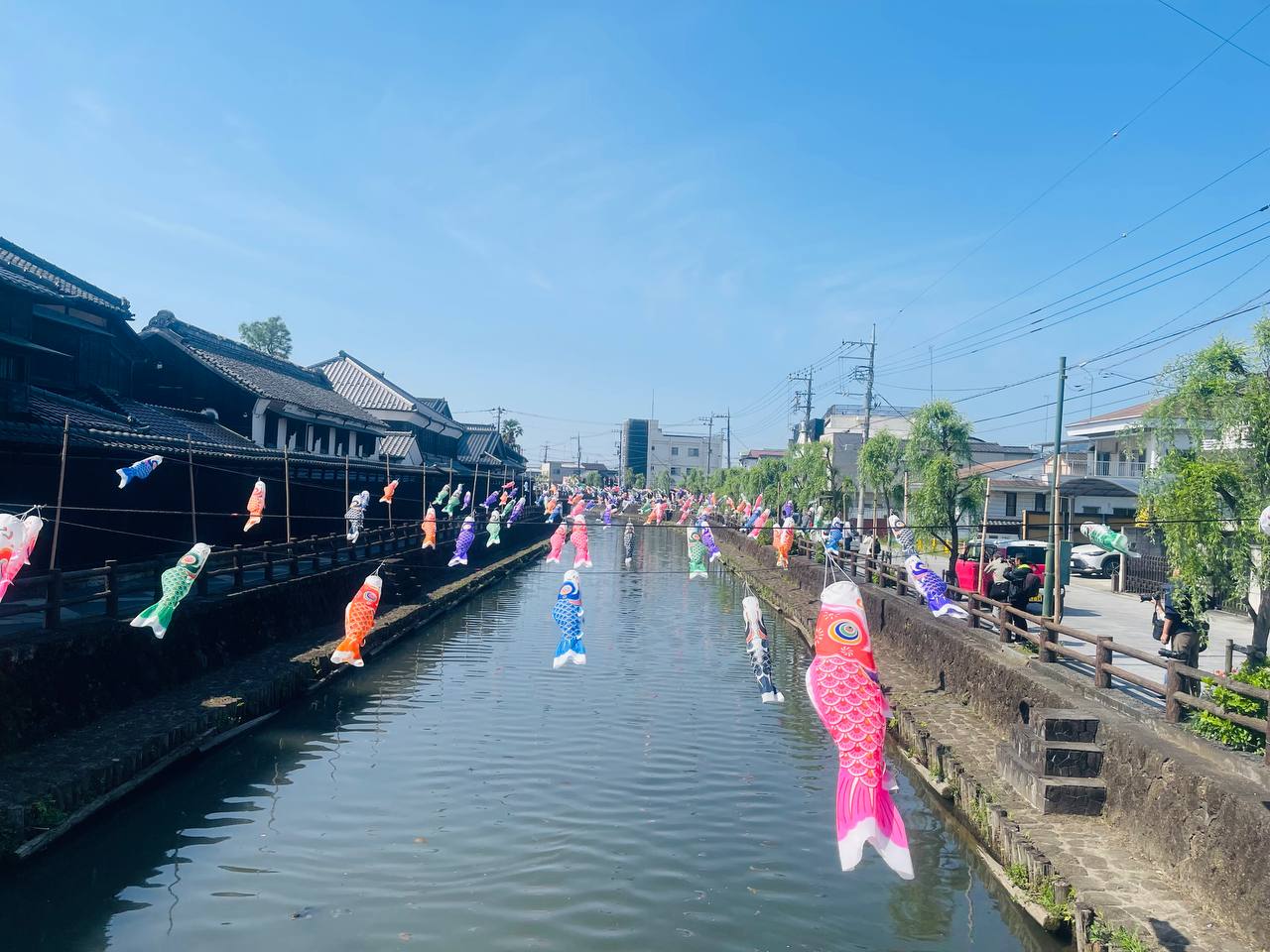
Celebrates the health, happiness, and growth of children—especially boys—marked by the display of koinobori (carp streamers), samurai dolls, and traditional sweets like kashiwa mochi.
Cultural Significance
Golden Week holds deep cultural value for the Japanese people. It’s a time of national reflection, family bonding, and personal rejuvenation. Traditionally, people visit ancestral homes, partake in festivals, or travel both domestically and internationally. Temples and shrines are often busier, and natural parks are filled with families enjoying spring’s peak beauty.
Each holiday carries its own cultural weight:
- Shōwa Day invites contemplation about war, peace, and Japan’s transition into a modern democracy.
- Constitution Day reinforces civic values.
- Greenery Day aligns with Shinto and Buddhist respect for nature.
- Children’s Day continues centuries-old traditions, originally known as Tango no Sekku—a samurai-era celebration of male youth.
Modern Celebrations and Travel Trends
In recent decades, Golden Week has become a major travel season. Transportation hubs are crowded, with millions traveling across the country and abroad. Popular destinations include:
- Kyoto and Nara for cultural experiences,
- Hokkaido for cooler climates and spring blooms,
- Okinawa for beach vacations.
The surge in tourism also boosts local economies, and many businesses offer Golden Week promotions. However, not all workers get the full week off—service industry employees, for example, often work during the holiday rush.
Why “Golden” Week?
The term “Golden Week” originated in the 1950s. Japanese film companies noticed that ticket sales surged during this cluster of holidays. Inspired by the term “Golden Time” (a radio and TV term for peak audience hours), the media industry coined “Golden Week” to describe this prosperous period.
Etiquette and Tips for Visitors
If you’re in Japan during Golden Week, here are a few things to keep in mind:
- Book accommodations and transport early. Everything fills up fast.
- Expect crowds. Major cities and tourist sites can be packed.
- Be respectful of family traditions. This is a deeply personal time for many.
- Participate in local events. From kite-flying festivals to nature walks, there’s much to enjoy.
Conclusion
Golden Week is more than a vacation—it’s a reflection of Japan’s unique ability to blend the traditional and modern. From honoring the past to celebrating the future, Golden Week offers a beautiful insight into the soul of Japanese culture. Whether you’re strolling under blooming trees, watching carp streamers flutter in the wind, or simply taking a break, it’s a time to pause, appreciate, and connect—with others and with oneself.




फेसबुकबाट कमेन्ट गर्नुहोस्